Sustainable Fashion in India: A Guide to Thrifting
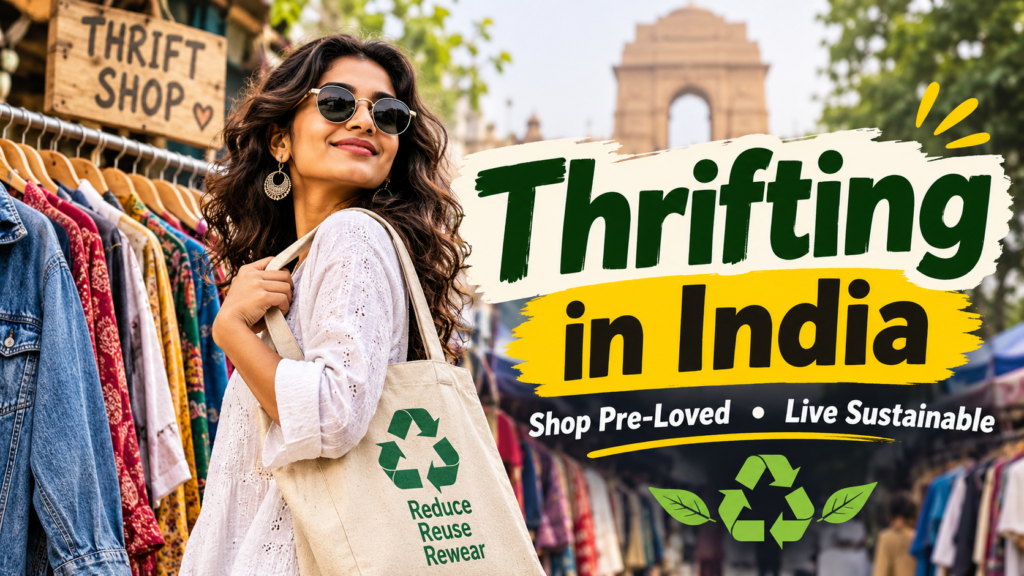
Sustainable fashion in India is gaining popularity as more people explore thrifting, second-hand clothing and eco-friendly shopping. Instead of always buying new clothes, consumers are discovering pre-loved fashion, vintage styles and affordable ways to build a wardrobe while reducing unnecessary textile waste. This growing movement is changing how India shops for fashion.
What Is Thrifting? Understanding Second-Hand Fashion
Thrifting means buying previously owned clothing, accessories, footwear or other items instead of purchasing new products. These items may come from thrift stores, resale shops, local markets, online sellers or individual wardrobes.
In India, the idea is not entirely new. Families have traditionally reused clothes, passed garments between relatives and repurposed old fabrics. What is changing today is the way second-hand shopping is presented: it is becoming a fashion choice rather than simply a way to save money.
Popular categories include:
- Vintage clothing and retro fashion
- Second-hand jeans, jackets and tops
- Pre-loved branded clothing
- Vintage sarees and traditional garments
- Y2K outfits and oversized streetwear
- Second-hand bags, shoes and accessories
Thrifting allows shoppers to discover clothing with individual character while potentially extending the useful life of garments.
Why Is Thrifting Becoming Popular in India in 2026?
The growing popularity of thrift shopping in India is connected to affordability, personal style, social media and increasing interest in sustainable fashion.
1. Affordable Fashion Without Always Buying New
One major attraction of second-hand clothing is price. Shoppers may find good-quality pre-owned garments at lower prices than comparable new products.
This can be particularly useful for students, young professionals and anyone who wants to experiment with different styles without spending too much.
However, a low price does not automatically mean good value. Always compare the garment’s condition, quality and final cost, including delivery charges.
2. Gen Z and the Rise of Vintage Fashion
Younger shoppers are helping make pre-loved fashion more visible. Vintage jackets, oversized shirts, retro denim, graphic T-shirts and Y2K-inspired outfits are attracting attention.
The appeal is not only affordability. Thrifting can help people develop a personal style by finding pieces that are less common in mainstream fashion stores.
3. Instagram Thrift Stores and Online Resale Shopping
Social media has made it easier for small sellers to showcase second-hand clothing. Instagram thrift stores, online resale communities and dedicated marketplaces allow shoppers to browse collections without visiting a physical store.
Before purchasing, check the seller’s reviews, return policy, payment process, product photographs and garment condition. Ask for additional pictures if the listing is unclear.
4. Growing Interest in Sustainable Fashion
Consumers are becoming more interested in how clothing is produced, used and discarded. This has brought attention to concepts such as circular fashion, clothing reuse, repair and responsible consumption.
Google India’s 2026 report also found a significant increase in searches related to circular fashion and sustainable fashion. These figures reflect search interest, not actual sales or the number of garments being reused.
Popular Thrifting Trends in India: From Y2K to Vintage Sarees
Thrifting is not limited to one fashion category. Different styles are attracting shoppers who want unique clothing and accessories.

Y2K Fashion and Retro Streetwear
Y2K-inspired fashion includes baggy jeans, oversized T-shirts, track pants, vintage jerseys and statement jackets. These styles are popular among people who enjoy combining retro clothing with modern outfits.
Vintage Sarees and Traditional Clothing
Vintage sarees, embroidered garments and traditional accessories are also finding a place in contemporary wardrobes. Reusing an existing saree or family garment can be a meaningful alternative to purchasing a new outfit for every occasion.
Pre-Loved Jackets, Jeans and Bags
Jackets, jeans, tops, shoes and bags are popular categories for thrift shoppers. These items can be versatile wardrobe additions when they are in good condition.
How Thrifting Supports Sustainable Fashion
The environmental value of thrifting depends on how people shop and use their purchases. Buying second-hand can support more responsible consumption when it replaces an unnecessary new purchase and keeps a usable garment in circulation.
The United Nations Environment Programme’s work on sustainable and circular textiles explains why the textile industry needs to move towards more sustainable production, consumption, reuse and recycling practices.
1. Extending the Life of Clothing
A garment does not necessarily become useless when its first owner stops wearing it. Reselling, donating, swapping or gifting clothes gives wearable items another opportunity to be used.
This can help reduce the number of garments discarded prematurely.
2. Supporting Circular Fashion
Traditional consumption often follows a linear pattern: produce, purchase, use and discard. Circular fashion encourages products and materials to remain in use for longer through reuse, repair, resale and recycling.
You can explore how everyday lifestyle decisions affect the environment in our guide on how to reduce your carbon footprint.
3. Encouraging Responsible Consumption
Thrifting can encourage shoppers to think before buying. Instead of purchasing several new outfits for short-term trends, people can look for durable second-hand alternatives and make better use of what they already own.
4. Reducing Textile Waste
Clothing waste is a growing environmental concern. The UNEP report on textile waste management discusses the scale of textile waste and the importance of reuse and recycling to reduce the need for new materials.
For a wider understanding of waste reduction and resource management, read our article on innovative food waste management technologies driving sustainability. Although food and textile waste are different issues, both show why better resource management matters.
Where to Find Thrift Stores and Second-Hand Clothes in India
There are several ways to explore second-hand fashion in India. Your options will depend on your city, budget and preferred shopping experience.
Local Markets and Second-Hand Shops
Traditional markets and resale shops can be useful places to look for affordable clothing. You can inspect the fabric, stitching, colour and condition before purchasing.
Popular shopping areas in major cities may also have sellers offering vintage or pre-owned pieces. Compare prices and inspect items carefully rather than assuming every low-priced garment is a bargain.
Instagram Thrift Stores
Many independent sellers use Instagram to display curated collections. Some announce limited-stock drops, publish measurements and accept orders through direct messages or linked websites.
Check the seller’s identity, customer feedback, payment terms and shipping details before placing an order.
Online Resale Communities
Online communities and resale platforms connect people who want to sell clothing with shoppers looking for pre-loved items.
Read product descriptions carefully, check the seller’s history and understand the refund or return policy. Avoid making payments through suspicious links or unverified accounts.
Clothing Swaps and Wardrobe Exchanges
A clothing swap allows participants to exchange garments they no longer wear. This can be a low-cost way to refresh a wardrobe without purchasing new clothing.
Friends, local communities and sustainability groups can organise small clothing exchanges.
8 Practical Thrifting Tips for Beginners in India
If you are new to second-hand shopping, these tips can help you find better-quality clothing and avoid common mistakes.
- Make a shopping list: Decide what you actually need before browsing thrift stores or online collections.
- Check fabric quality: Look for stains, holes, fading, damaged seams and fabric thinning.
- Ask for exact measurements: Do not depend only on the size label because older garments and different brands may have different sizing.
- Inspect product photographs: Ask sellers for close-up pictures of labels, stitching, zips and any damaged areas.
- Clean garments appropriately: Wash or professionally clean second-hand clothing according to its fabric and care instructions before wearing it.
- Verify branded products: Be cautious with unusually cheap branded items. Ask for evidence of authenticity when relevant.
- Compare the total price: Include shipping and cleaning costs when deciding whether an item is worth buying.
- Choose quality over quantity: Buy pieces you will genuinely wear rather than collecting clothes simply because they are inexpensive.
Thrifting vs Fast Fashion: What Is the Difference?
| Factor | Thrifting | Fast Fashion |
|---|---|---|
| Clothing source | Previously owned garments | Mostly newly manufactured garments |
| Price | Often affordable, varies by item | Varies from budget to premium |
| Availability | Depends on second-hand stock | Often large, regularly updated collections |
| Style | Vintage, unique and pre-loved pieces | Current mainstream trends |
| Environmental potential | Extends garment use when it replaces a new purchase | Can encourage frequent new purchases |
| Main concern | Quality, hygiene and authenticity | Overconsumption and production impacts |
Neither label tells the whole environmental story. A second-hand item transported over a long distance, heavily packaged or purchased unnecessarily may still have an environmental cost. Likewise, a durable new garment that is worn for many years may be a better choice than a poor-quality item that is quickly discarded.
The most useful approach is to buy thoughtfully, care for clothing and avoid unnecessary consumption.
Challenges of Second-Hand Fashion in India
Despite growing interest, the Indian resale and thrifting market still faces several challenges.
Trust and Product Quality
Online shoppers may not always receive the same item shown in photographs. Clear descriptions, real product images and transparent seller policies are important.
Hygiene and Cleaning
Some customers are concerned about cleanliness. Sellers should describe garment condition honestly, and buyers should clean clothing appropriately before use.
Sizing and Returns
Second-hand garments may have inconsistent sizing, and some sellers do not offer returns. Always request measurements and confirm the return policy before ordering.
Counterfeit Products
Branded second-hand clothing can sometimes be difficult to authenticate. Buyers should be careful with luxury products and avoid sellers making claims they cannot support.
Social Perception
Some people still associate second-hand clothing with poor quality or outdated fashion. Greater awareness, better presentation and changing consumer attitudes may help overcome this perception.
Can Thrifting Really Make Your Lifestyle More Sustainable?
Thrifting can be one part of a more sustainable lifestyle, but it is not a complete solution by itself.
The biggest benefit comes when buying a pre-loved garment replaces the purchase of a new one. If someone buys more clothing simply because it is cheap, the environmental benefit may be limited.
You can make your shopping habits more responsible by:
- Buying only what you need.
- Reusing and repairing existing clothing.
- Donating or reselling garments that are still wearable.
- Choosing durable fabrics and timeless styles.
- Avoiding unnecessary packaging where possible.
- Supporting transparent sellers and responsible businesses.
Sustainability also involves other everyday choices. Explore our guides on staying safe from air pollution in India and reducing indoor air pollution to learn about other environmental and lifestyle concerns.
For a broader perspective on international climate action, read our article about COP29 key outcomes and what they mean to you.
The Future of Thrifting and Circular Fashion in India
The future of thrifting in India will depend on consumer trust, reliable resale platforms, transparent product information and convenient shopping experiences.
As more shoppers discover second-hand clothing, sellers may have opportunities to build specialised collections around vintage fashion, traditional garments, branded resale and everyday wardrobe essentials.
Better garment authentication, accurate sizing information, responsible packaging and easier resale processes could also help the market develop.
However, the goal should not be to buy more simply because products are second-hand. The real opportunity is to make clothing last longer and reduce unnecessary consumption.
Final Thoughts: Give Pre-Loved Fashion a New Life
Thrifting in India is becoming more than a way to find affordable clothing. It is creating new opportunities to explore vintage fashion, discover unique outfits and rethink how we shop.
From Y2K streetwear and second-hand jeans to vintage sarees and pre-loved accessories, there are many ways to make existing clothing part of a modern wardrobe.
The next time you plan to buy something new, consider whether a second-hand option could meet the same need. A more sustainable wardrobe does not always require more shopping. Sometimes, it starts with giving something you already own—or someone else’s pre-loved garment—a second life.
Frequently Asked Questions About Thrifting in India
1. What is thrifting in India?
Thrifting in India means buying previously owned clothing, accessories and other products through thrift stores, resale platforms, local markets or individual sellers.
2. Is thrifting popular in India in 2026?
Yes. Google India reported that searches for “how to thrift” rose by 850% over the previous year, while searches for “thrift store near me” increased by 600%.
3. Why is thrifting becoming popular among Gen Z?
Gen Z shoppers are attracted to affordable fashion, vintage styles, unique clothing, Y2K trends and the opportunity to explore more conscious shopping habits.
4. Is second-hand clothing sustainable?
It can be more sustainable when it extends a garment’s useful life and replaces the purchase of a new item. Transportation, cleaning, packaging and buying habits also affect its overall environmental impact.
5. Where can I buy second-hand clothes in India?
You can explore local resale markets, independent Instagram thrift stores, online resale communities, second-hand shops and clothing-swap events.
6. Is thrifting cheaper than buying new clothes?
It can be, but not always. Prices depend on the garment’s condition, brand, rarity, seller and shipping costs. Compare the total price before purchasing.
7. How can I check the quality of thrifted clothes?
Inspect fabric, stitching, zips, buttons, stains, holes and fading. For online purchases, request clear photographs and exact measurements.
8. What is the difference between thrifting and circular fashion?
Thrifting is a way of buying pre-owned products. Circular fashion is a broader approach that aims to keep clothing and materials in use through reuse, repair, resale and recycling.

