Reduce Plastic Use: 15 Easy Ways to Cut Plastic Waste
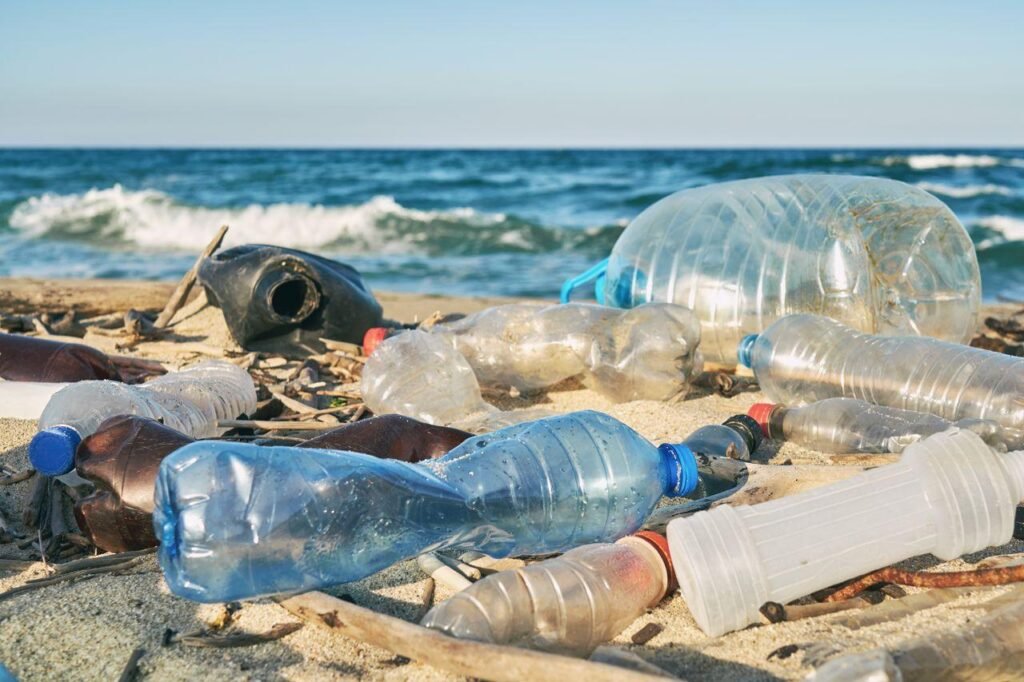
Learning how to reduce plastic use can help protect our planet. We use plastic bags, bottles, food packs, and many other items every day. However, much of this plastic is used only once. Then, it becomes waste. Plastic waste can pollute rivers, oceans, and land. It can also harm wildlife.
Fortunately, you can make a difference with small changes. You do not need to change your whole lifestyle. Start with simple steps at home, while shopping, and when travelling. This guide shares 15 easy ways to reduce plastic use every day.
Why Should We Reduce Plastic Use?
Plastic is light, strong, and cheap. However, plastic waste is a growing problem. Many plastic items are hard to recycle. Others end up in rivers, oceans, and open spaces.
Wild animals may eat plastic by mistake. They may also become trapped in plastic waste. As a result, plastic pollution can harm both land and sea life.
The United Nations Environment Programme explains the need to tackle plastic pollution. We can help by making better choices each day. Small steps can also inspire others to do the same.
15 Easy Ways to Reduce Plastic Use
1. Carry a Reusable Shopping Bag
Take a cloth or jute bag when you go shopping. This helps you avoid single-use plastic bags.

Keep a bag in your car or backpack. You can also leave one near your front door. That way, it is easy to remember. Reuse it for groceries, clothes, and other items.
2. Use a Reusable Water Bottle
Buying bottled water often creates extra plastic waste. Instead, carry a reusable water bottle.

Choose one made from steel or glass if it suits your needs. Refill it at home or at a safe water station. As a result, you can use fewer disposable bottles and save money.
3. Avoid Disposable Cups and Cutlery
Plastic cups, straws, and spoons are often used once. Then, they are thrown away.
Use washable cups and cutlery instead. You can also carry a spoon and fork in your bag. Moreover, bring your own cup when buying drinks, if the shop allows it.
4. Choose Products With Less Packaging
Many products come with extra plastic packaging. You can avoid some of it by shopping with care.
Buy loose fruits and vegetables when possible. Choose products with less wrapping. You can also look for suitable paper, glass, or metal packaging.
However, remember that not every alternative is better for the planet. Choose products that last longer and are easy to reuse or recycle.
Read our guide to eco-friendly packaging for more tips.
5. Buy in Bulk When Possible
Buying in bulk can reduce the packaging used for some products. For example, you can buy rice, pulses, nuts, and grains in larger amounts.
Some shops also let you bring your own containers. First, check their rules. Then, buy only what you need. This can help you avoid waste and save money.
6. Use Reusable Food Containers
Plastic wrap and disposable food packs create extra waste. Instead, use containers that you can wash and reuse.
Glass boxes and steel lunchboxes are useful options. You can also use covered bowls for leftovers. In addition, reuse suitable jars to store dry foods.
There is no need to replace every container at once. Use what you already have first.
7. Choose Refillable Personal Care Products
Shampoo, soap, and body wash often come in plastic bottles. However, refill options can help reduce this waste.
Look for refill stations or refill packs. You can also try bar soap or shampoo bars if they suit you.
Most importantly, use each product fully before buying another. This helps you avoid waste and extra spending.
8. Skip Unneeded Plastic Straws
You may not need a straw for every drink. When ordering, ask for no straw if you are comfortable drinking without one.
If you need a straw, try a reusable steel or silicone option. Clean it well after each use. This small habit can reduce the number of disposable straws you use.
9. Bring Your Own Takeaway Container
Takeaway food often comes in disposable boxes and bags. Some restaurants may let you bring your own clean container.
Ask before placing your order. You can also carry a lunchbox to work or school. In addition, refuse extra cutlery when you do not need it.
These steps can help you avoid unnecessary packaging.
10. Choose Reusable Cleaning Products
Cleaning products often come in plastic bottles. Look for refill options or concentrated products when suitable.
You can also use washable cleaning cloths instead of disposable wipes. Wash them after use and keep them for next time.
Always follow the instructions on cleaning products. Never mix chemicals unless the label says it is safe.
11. Reuse Jars and Containers
Before throwing away a container, ask if you can use it again. Glass jars are useful for storing dry foods and small items.
You can also reuse suitable plastic containers. However, avoid damaged containers. Make sure any container used for food is safe for that purpose.
Reusing items helps them last longer. It can also reduce the need to buy new storage products.
12. Choose Low-Waste Gifts
Gift wrap, ribbons, and decorations can create extra waste. Instead, try recycled paper or reusable gift bags.
You can also wrap gifts in fabric. For birthdays and festivals, reuse decorations from earlier events.
Moreover, consider giving plants, books, or useful items. These choices can make gifts thoughtful and practical.
13. Reduce Plastic Use While Travelling
Travel can lead to more plastic waste. Bottled drinks, takeaway packs, and small toiletries are common examples.
Prepare before you leave home. Pack a water bottle, shopping bag, and reusable food container. You can also carry refillable travel bottles for toiletries.
As a result, you may need fewer disposable items during your trip.
14. Recycle Plastic Correctly
Some plastic waste is hard to avoid. In these cases, recycling may help.
First, check your local recycling rules. Separate the items your local service accepts. Clean them if required.
Remember that not all plastic can be recycled. Therefore, reducing and reusing plastic should come first. Recycling is useful, but it cannot solve the whole problem.
15. Build a Zero-Waste Lifestyle
A zero-waste lifestyle means trying to create less waste. It does not mean you must be perfect.
Start by looking at the plastic items you throw away most often. Then, choose one item to replace. Once that change becomes a habit, try another.
For more ideas, read our guide to a zero-waste lifestyle. It offers simple ways to make greener choices.
How to Reduce Plastic Use at Home
Your home is a good place to start. Look at the waste you create in your kitchen and bathroom.
Try these simple steps:
- Keep reusable bags near your door.
- Carry a refillable water bottle.
- Store food in reusable containers.
- Choose refillable cleaning products.
- Reuse suitable jars and bottles.
- Sort waste based on local recycling rules.
You do not need to do everything at once. Start with two or three habits. Then, add more when you feel ready.
Common Mistakes to Avoid
Changing your habits takes time. However, a few common mistakes can make the process harder.
Buying too many new products: You do not need to replace everything. Use what you already own first.
Forgetting reusable bags: Keep bags near your keys or in your backpack. This makes them easier to remember.
Assuming every alternative is better: Paper, glass, cotton, and metal also use resources. Choose items you can use many times.
Ignoring recycling rules: Recycling rules differ by location. Check what your local service accepts.
Trying to change everything at once: Too many changes can feel hard to manage. Start small and build better habits over time.
Frequently Asked Questions
What Is the Easiest Way to Reduce Plastic Use?
Start by carrying a reusable bag and water bottle. You can also use a lunchbox instead of disposable food packs. These changes are simple and easy to maintain.
How Can I Reduce Plastic Use at Home?
Use reusable food boxes and buy products with less packaging. Reuse suitable jars and choose refillable products. Also, sort your waste correctly.
Can I Reduce Plastic Waste on a Budget?
Yes. Start with items you already own. Reuse bags, refill suitable bottles, and avoid products you do not need. These habits can also save money.
Is Paper Better Than Plastic?
Not always. Both materials have environmental costs. The impact depends on how they are made and disposed of. Therefore, focus on reducing waste and reusing products when possible.
Why Should We Avoid Single-Use Plastic?
Single-use plastic is often thrown away after a short time. It can add to pollution when waste is not managed well. Using fewer disposable items helps prevent waste at the source.
Final Thoughts
You do not need a perfect lifestyle to reduce plastic use. Simple actions can make a difference over time.
Carry a reusable bag. Refill your water bottle. Choose products with less packaging. Reuse containers whenever it is safe to do so.
Start with one change today. Then, keep going as each new habit becomes easier. Together, these steps can help create a cleaner and more sustainable future.
Explore more practical green living tips at The Greenista.