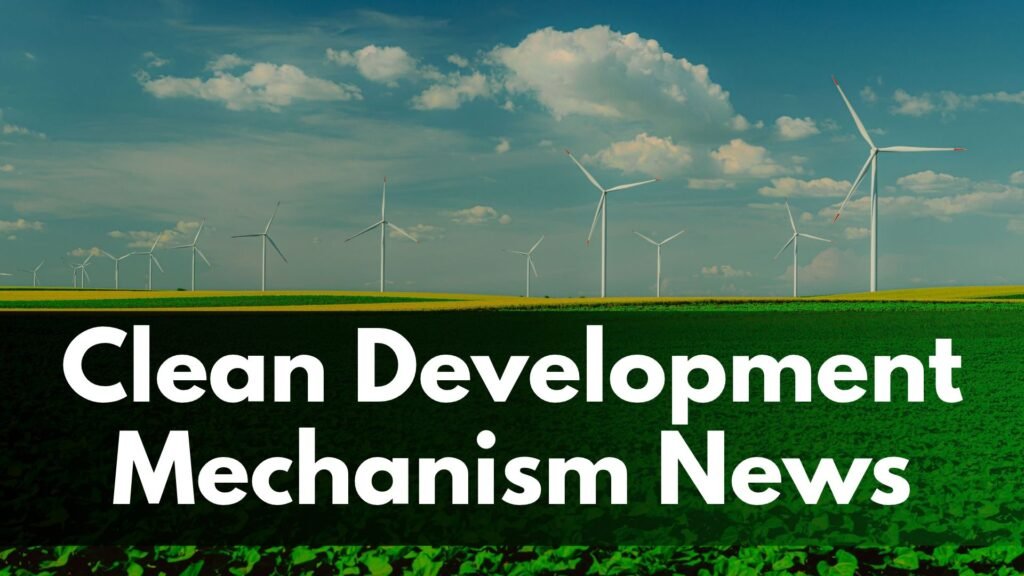
Clean Development Mechanism News: 2026 Update
The Clean Development Mechanism (CDM) helped countries cut greenhouse gas emissions. Now, the system is approaching a major change in 2026. At the same time, the United Nations is developing a new carbon credit system under the Paris Agreement.
On 9 October 2026, the UN approved two new methods for cleaner cooking projects. As a result, eligible projects have new ways to seek carbon credits under the new system. These methods also set rules for measuring climate benefits.
This change matters for global climate action. Moreover, it could help fund cleaner energy and support sustainable development.
What Is the Clean Development Mechanism?
The Clean Development Mechanism began under the Kyoto Protocol. It allowed eligible projects in developing countries to earn carbon credits.
Each credit is called a Certified Emission Reduction (CER). One CER represents one tonne of carbon dioxide equivalent reduced or removed.
For example, projects could support solar power, wind energy, methane capture and better waste management. In addition, some projects helped communities gain access to cleaner energy.
However, carbon credits must show real climate benefits. Therefore, accurate records and proper checks are essential.
Clean Development Mechanism News: Key Changes in 2026
The global carbon market is moving towards a new system under the Paris Agreement. Meanwhile, the CDM registry is approaching its phase-down deadline.
Project owners must understand the relevant dates. The main deadlines include:
- 30 June 2026: Deadline for submitting requests to issue Certified Emission Reductions under the CDM.
- 25 October 2026: Deadline for guaranteed processing of requests to transfer eligible CERs to the new mechanism registry.
- 25 November 2026: Deadline for guaranteed processing of certain cancellation and other registry transaction requests.
- 31 December 2026: Final deadline for CDM registry transactions under the applicable phase-down decision.
These dates serve different purposes. Therefore, project owners should not treat them as interchangeable.
For the latest requirements, consult the official CDM Registry FAQs.
How the Paris Agreement Crediting Mechanism Works
The Paris Agreement introduced a new framework for international climate action. Under Article 6.4, the Paris Agreement Crediting Mechanism supports eligible emission reductions and removals.
For example, projects may cover renewable energy, cleaner cooking and methane reduction. However, each project must meet the relevant rules.
The transition from the CDM is not automatic. Existing projects and credits must satisfy the applicable eligibility requirements.
In addition, the new system aims to improve carbon accounting. This helps countries track their climate progress more clearly.
Read the UNFCCC guide to the Paris Agreement Crediting Mechanism for more information.
Clean Development Mechanism News: Cleaner Cooking Projects
On 9 October 2026, the UN approved two methods for household cooking projects. These methods allow eligible projects to seek credits under the new carbon market.
One method covers more efficient wood- and charcoal-burning stoves. The other supports a wider shift towards cleaner cooking.
As a result, project developers have clearer rules for measuring and monitoring emission reductions. Moreover, these rules help assess the climate value of each project.

Cleaner cooking can offer several benefits. For instance, efficient stoves may reduce fuel use and household smoke. They may also help reduce pressure on forests.
However, not every cooking project qualifies for carbon credits. Projects must follow the approved rules and prove their results.
The UN has also adopted a tool to assess the risk of emission reductions being reversed in relevant activities. This is another step towards stronger carbon credit quality.
Read the official UN announcement on clean cooking projects.
How Carbon Markets Support Sustainable Development
Carbon markets can help fund projects that reduce greenhouse gas emissions. At the same time, they may support cleaner technology and local development.
Clean Energy and Carbon Emissions
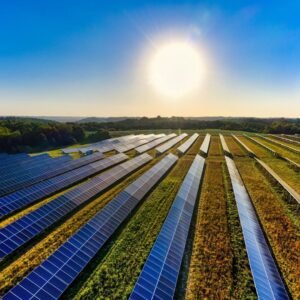
Solar and wind power can reduce reliance on fossil fuels. Consequently, eligible projects may help lower emissions and attract climate finance.
Waste Management and Carbon Reduction
Better waste management can reduce methane emissions. For example, some projects capture gas from landfills.
Likewise, reducing food waste helps conserve resources. Read our guide to 10 innovative food waste management technologies driving sustainability.
Clean Cooking and Sustainable Living
Efficient stoves can use less fuel. In addition, cleaner cooking options may reduce harmful smoke inside homes.
Energy Efficiency and Climate Action
Energy-efficient buildings and appliances need less power. Therefore, they can help lower emissions when they reduce the use of fossil fuels.
Forest Protection and Carbon Storage
Forests store carbon and support wildlife. For this reason, protecting forests is an important part of climate action.
However, forest projects need careful monitoring. They must address risks such as fires, deforestation and the loss of stored carbon.
Why Clean Development Mechanism Carbon Credits Need Strong Checks
Not all carbon credits offer the same climate benefits. Therefore, strong rules are needed to protect their quality.
Additionality: Projects must meet the rules for showing that their credited benefits are additional.
Accurate measurement: Project teams must use approved methods to calculate emission reductions.
Independent checks: Monitoring and verification help confirm the reported results.
Long-term protection: Projects must address the risk of losing stored carbon or reversing claimed emission cuts.
Clear records: Transparent records help prevent the same emission reduction from being counted twice.
Together, these safeguards help build trust. Without them, carbon credits may overstate their climate benefits.
As a result, businesses should check the source and quality of credits before making environmental claims.
Clean Development Mechanism and Everyday Climate Action
International climate policy may seem far from daily life. However, simple actions can support wider environmental efforts.
First, save electricity at home. For example, switch off unused lights and choose efficient appliances when possible.
Next, reuse products and avoid unnecessary packaging. Similarly, planning meals can help reduce food waste.
You can also learn how to reduce your carbon footprint with a lifestyle guide that works.
Air pollution is another major concern. Cleaner energy can reduce some sources of pollution, although the results depend on local conditions.
For practical advice, read 10 simple ways to stay safe from air pollution in India.
Of course, personal choices cannot replace government policy or industrial emission cuts. Nevertheless, they can support wider climate action.
What Happens Next for the Clean Development Mechanism?
The final months of 2026 are important for CDM registry operations. Therefore, project owners and credit holders should check the deadlines that apply to them.
Meanwhile, the Paris Agreement Crediting Mechanism continues to develop its rules and methods. This may create new opportunities for eligible climate projects.
However, success depends on clear records, reliable checks and real emission reductions. Developing countries may also need investment and technical support to benefit from the new system.
Ultimately, transparent rules will be essential for building trust in global carbon markets.
Conclusion: The Future of the Clean Development Mechanism
The Clean Development Mechanism supported climate projects under the Kyoto Protocol. Now, the global carbon market is moving towards a new system under the Paris Agreement.
Recent clean cooking rules show how the new system is developing. In addition, eligible projects in other sectors may benefit from new opportunities.
Still, carbon credits must deliver credible results. Strong checks and clear records are essential.
The transition marks an important step in global climate policy. In the long term, its success will depend on real emission cuts and lasting benefits for people and the environment.
Follow The Greenista for more environmental news, climate updates and practical sustainability guides.