Zero-Waste Lifestyle: 15 Simple Tips for Beginners
A zero-waste lifestyle means making less trash every day. But you do not need to change your home overnight. Instead, you can start small. Reuse items you have, skip single-use plastic, and shop smart. In the end, these easy habits save resources and keep money in your pocket.

In this guide, you will learn 15 easy tips for your home and routine. To find more green living ideas, check out The Greenista homepage.
What Is a Zero-Waste Lifestyle?
A zero-waste lifestyle helps you make less trash. It starts before you buy, use, or throw items away.
However, you do not need to be perfect. Just focus on four simple steps:
-
Buy only what you need.
-
Reuse things you own.
-
Fix broken items.
-
Recycle the rest correctly.
For example, carry a cloth tote bag when you shop. Also, plan your meals so food does not go bad. Keep a water bottle with you when you leave home. Over time, these small choices cut down trash fast.
15 Easy Zero-Waste Tips for Beginners
Going zero-waste is simple when you take small steps. First, pick two or three tips below. Once they feel natural, add a few more.
1. Cut Down on Plastic
Plastic bags, bottles, and straws turn into trash fast. So, choose items you can use again.
For instance, keep a cloth bag by your door. Also, bring a refillable water bottle when you go out. Say no to plastic forks with takeaway food. Most of all, keep using the plastic items you already own until they wear out.
2. Plan Meals to Stop Food Waste
Food waste happens when we buy too much at the store. As a result, fresh food spoils and ends up in the bin.
To stop this, check your fridge before you shop. Next, write a simple meal plan and buy only what you will eat. If you have extra food, freeze it or make a quick soup.
3. Start Composting at Home
Composting turns food scraps into rich soil for plants. Fruit peels, coffee grounds, and dry leaves can all go into a compost bin.
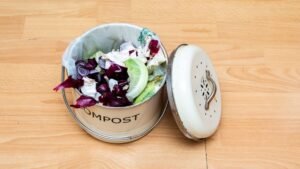
You can compost in a garden, on a small balcony, or through a local drop-off bin. However, do not add meat, dairy, or oil to basic bins because they draw pests.
4. Use Reusable Basics
Reusable items replace throwaway products. But to make them work, you must keep them close at hand.
For example, pack a small kit with a water bottle, a travel cup, a tote bag, and a lunch box. Before buying new green items, check The Greenista product guides. Reusing what you already have is always the best choice.
5. Buy Only What You Need
The easiest way to cut trash is to buy less stuff. After all, every new product takes energy and water to make.
So, ask yourself three questions before you buy:
-
Do I really need this?
-
Do I own something similar?
-
Will I use this often?
Wait 2 days before buying non-essential items. This quick pause stops impulse buys and saves money.
6. Trim Down Packaging
Excess box and plastic packaging adds a lot of trash to our homes. But you can avoid it by picking products with less wrap.
For example, buy loose fruits and veggies. Also, look for refill shops near you. Buying in bulk can save packaging, but only buy what you will finish in time.
7. Reuse Jars and Tubs
You likely have great storage containers in your kitchen right now. So, you do not need to buy costly new sets.
For instance, clean glass jars work great for storing rice and oats. Likewise, small boxes keep tools or craft items neat. Just make sure food jars are clean before you use them.
8. Repair Before Throwing Away
A broken item does not belong in the bin right away. In fact, fixing things saves money and stops trash.
For example, sew a loose button or patch a small tear in your clothes. Tighten loose screws on chairs and tables. For broken electronics, ask a repair shop if they can fix it safely.
9. Build a Smart Wardrobe
Fast fashion uses a lot of water and energy. Also, old clothes fill up local landfills.
Because of this, try to buy fewer clothes and wear them longer. Pick items that match easily. When you need something new, try second-hand shops or clothing swaps.
10. Easy Kitchen Changes
The kitchen makes a lot of household trash. But a few small swaps make a big difference:
-
Use cloth rags instead of paper towels.
-
Store food well so it stays fresh longer.
-
Eat leftovers for lunch.
-
Save glass sauce jars for dry food.
To learn more simple kitchen ideas, read The Greenista guides.
11. Simplify Personal Care
Bathroom items create a lot of plastic trash. But you can fix this with a few smart choices.
For instance, try bar soap instead of liquid soap in plastic bottles. Also, use washable cloth pads for your face. However, check prices and needs first—an item is not green just because the label says so.
12. Smart Home Recycling
Recycling helps reuse glass, paper, metal, and plastic. But recycling alone cannot solve the trash problem. Reducing comes first.
First, learn what your local town collection takes. Next, rinse out food cans and jars before putting them in the bin. To read official recycling rules, visit the US EPA Recycling Guide or check the Central Pollution Control Board Rules in India.
13. Borrow and Share
We only use some tools once or twice a year. So, buying them creates extra clutter and costs money.
Instead, borrow tools, books, or party items from friends and neighbours. You can also check local libraries. Sharing keeps clutter out of your home and cash in your pocket.
14. Shop with Purpose
Green shopping is not about buying trendy eco-products. It means picking good items that last long.
So, check how well an item is made before buying it. Avoid replacing working items just to get new green models. The greenest product is the one you already own.
15. Go Slow and Stay Steady
Trying to change all your habits at once leads to stress. Instead, work on slow, steady steps.
Start with these three simple habits:
-
Always bring a cloth bag.
-
Plan meals to stop food waste.
-
Put food scraps in a compost bin.
Once these feel easy, add one more habit. Remember that small daily actions bring big results over time.
Main Benefits of Zero-Waste Living
Going zero-waste brings clear perks to your life:
-
Less Trash: You will not need to empty your bins as often.
-
Save Cash: Planning meals and fixing items keeps money in your bank.
-
Neater Home: Buying less stops clutter from taking over your rooms.
-
Simple Routines: Good habits make daily chores fast and easy.
Common Mistakes to Avoid
-
Buying New Eco-Gear: Use your old plastic tubs before buying new glass sets.
-
Trying to Be Perfect: Everyone makes some trash. Focus on doing better, not perfect.
-
Ignoring Local Rules: Putting the wrong item in the bin ruins good recycling. Check local rules first.
-
Changing Too Fast: Changing every habit at once leads to burnout. Go slow.
Frequently Asked Questions
What is the easiest way to start zero-waste living?
Start with three basics: carry a reusable bag, use a refill bottle, and plan your weekly meals.
Can I go zero-waste on a budget?
Yes! Zero-waste saves money. You buy less stuff, reuse jars, fix broken items, and eat your leftovers.
Does zero-waste mean making zero trash?
No. Making zero trash is not realistic for most people today. The goal is to cut out unnecessary trash where you can.
Is recycling enough on its own?
No. Recycling takes energy and fuel. Cutting down what you buy and reusing items helps the planet much more.
Start Your Zero-Waste Journey Today
A zero-waste lifestyle does not need costly gear or a perfect home setup. It starts with small daily choices.
Use what you have, buy less, stop food waste, and reuse items. To take your next step, explore The Greenista blog archives for more easy guides!