Eco-Friendly Packaging in India: Types, Benefits and Sustainable Alternatives
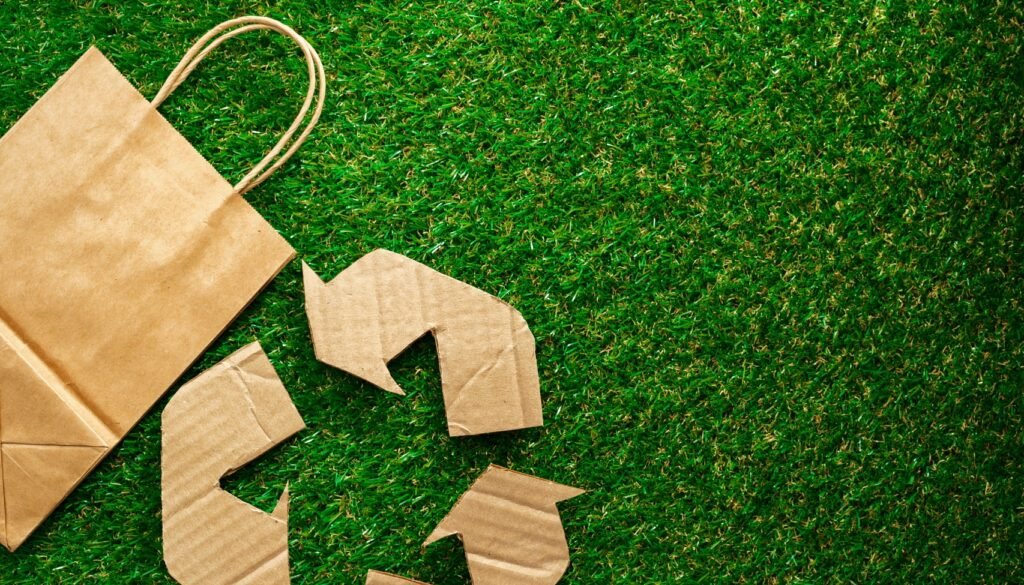
Eco friendly packaging is becoming an important consideration for businesses in India as consumers, retailers, and manufacturers look for ways to reduce packaging waste. From recycled cardboard boxes and paper bags to reusable containers and bagasse food packaging, sustainable packaging offers alternatives to conventional single-use materials.
Indian businesses in e-commerce, food delivery, retail, cosmetics, and manufacturing can explore eco-friendly packaging solutions that protect products while supporting more responsible resource use.
But which packaging materials are best? Are biodegradable and compostable packaging the same? And how can a business choose sustainable packaging without increasing costs unnecessarily?
This guide explains the types of eco friendly packaging available in India, their benefits, applications, limitations, and practical steps for choosing the right materials.
What Is Eco Friendly Packaging?
Eco friendly packaging is packaging designed to reduce environmental impact through its materials, manufacturing, transportation, use, and disposal.
Depending on its design and the waste-management facilities available, sustainable packaging may reduce material consumption, support reuse, improve recycling, or enable appropriate composting.
Common examples of eco friendly packaging include:
- Recycled cardboard boxes
- Paper bags and paper-based packaging
- Reusable glass jars and containers
- Metal tins and cans
- Bagasse food containers
- Moulded-pulp protective packaging
- Packaging made with recycled materials
- Reusable shipping bags and delivery containers
Not every material marketed as environmentally friendly is automatically sustainable. Its actual performance depends on durability, manufacturing impacts, transport requirements, and what happens after the packaging is used.
Why Is Eco Friendly Packaging Important in India?
India’s growing e-commerce, retail, food delivery, and manufacturing sectors create demand for packaging that balances product protection, cost, and environmental performance.
Choosing suitable packaging can help businesses reduce unnecessary materials, improve waste management, and communicate their sustainability efforts more clearly.
1. Helps Reduce Packaging Waste
Excessive packaging contributes to the amount of waste generated by households and businesses. Right-sized boxes, reusable containers, and packaging that can be collected for recycling may help reduce waste when supported by suitable systems.
2. Supports a Circular Economy
A circular economy keeps materials in use for longer through reuse, repair, recycling, and resource recovery.
Recycled cardboard, refillable containers, and reusable shipping systems can help businesses move toward more circular packaging practices.
3. Meets Changing Consumer Expectations
Some consumers prefer businesses that demonstrate practical environmental responsibility. Clear packaging information and easy-to-follow disposal instructions can help customers understand a brand’s efforts.
4. Supports Packaging Compliance
Businesses operating in India should understand applicable plastic-waste management requirements, including Extended Producer Responsibility obligations where relevant.
Requirements depend on the business category, packaging type, and current regulations. Companies should check the latest official guidance rather than relying on general environmental marketing claims.
8 Types of Eco Friendly Packaging in India
Different products require different packaging solutions. The best choice depends on product weight, moisture sensitivity, hygiene, transportation, durability, and local waste-management infrastructure.
1. Recycled Cardboard Packaging
Recycled cardboard is widely used for e-commerce shipping, retail boxes, subscription packaging, and protective product inserts.
Benefits:
- Can incorporate recovered paper fibres.
- Is recyclable when accepted by local collection systems.
- Can be customized with logos and product information.
- Provides protection for many dry and lightweight products.
Best uses: Online stores, clothing brands, books, electronics accessories, and subscription boxes.
Choose appropriately sized boxes and avoid unnecessary inserts. Keep cardboard clean and dry to improve its suitability for recycling.
2. Paper Bags and Paper Packaging
Paper bags are a common option for retail products, takeaway orders, and selected dry goods.
Benefits:
- Can be recyclable when made from suitable materials.
- Can be printed with branding and instructions.
- Is available in different strengths and sizes.
- Can replace some lightweight plastic bags in suitable applications.
Best uses: Clothing shops, bakeries, gift stores, and retail businesses.
Paper also requires resources to manufacture. Reusing bags where practical and choosing responsibly sourced paper can improve overall resource efficiency.
3. Compostable Packaging
Compostable packaging is designed to break down under specified composting conditions and meet relevant performance requirements.
Some products use plant fibres or certified compostable bioplastics.
Benefits:
- May suit selected food-service applications.
- Can support organic-waste processing where compatible facilities exist.
- Can offer an alternative for specific packaging applications.
Best uses: Selected takeaway containers, catering, and food-service operations with appropriate waste-management arrangements.
Important: Compostable packaging is not necessarily suitable for home composting. Some materials require industrial composting conditions. Check product certification, disposal instructions, and applicable Indian regulatory requirements before purchasing or making environmental claims.
4. Bagasse Packaging
Bagasse is the fibrous residue left after extracting juice from sugarcane. It can be used to manufacture plates, bowls, trays, and food containers.
Benefits:
- Uses a residue from sugarcane processing.
- Can be suitable for many food-service applications.
- Can replace some disposable plastic products.
- Is available in several container shapes and sizes.
Best uses: Restaurants, takeaway businesses, caterers, and food-delivery services.
Check whether the product contains coatings or other additives. Its disposal route depends on its composition and the local collection or processing system.
5. Glass Packaging
Glass bottles and jars are widely used for beverages, sauces, skincare products, and cosmetics.
Benefits:
- Can be reused when designed for repeated use.
- Can be recycled where suitable facilities exist.
- Provides strong barriers for many food and cosmetic products.
- Is suitable for refill systems.
Best uses: Beverage businesses, food brands, skincare companies, and premium products.
Glass can be heavy and breakable. Returnable and refillable systems may be more resource-efficient than single-use glass, depending on collection rates, cleaning, and transport distances.
6. Metal Packaging
Aluminium and steel are used for cans, tins, and protective containers.
Benefits:
- Protects many products from external conditions.
- Can be recycled through appropriate systems.
- Can be durable and reusable in suitable designs.
- Can incorporate recycled metal.
Best uses: Packaged food, beverages, personal-care products, and gift packaging.
Its environmental performance depends on manufacturing, recycled content, collection rates, and end-of-life processing.
7. Reusable Packaging
Reusable packaging is designed to be used repeatedly before it is discarded or recycled.
Examples include reusable shopping bags, returnable beverage bottles, durable delivery containers, and reusable shipping boxes.
Benefits:
- Can reduce single-use packaging consumption.
- Supports refill and return systems.
- Can reduce waste when containers are used repeatedly.
- Can encourage long-term customer relationships.
Best uses: Grocery delivery, beverage distribution, takeaway services, and businesses with repeat customers.
For reuse to work well, packaging needs to be durable, returned reliably, cleaned appropriately, and used enough times to justify its material and transport impacts.
8. Moulded Pulp Packaging
Moulded pulp packaging is made by shaping paper fibres or other suitable plant fibres into protective forms.
Benefits:
- Can replace some plastic protective inserts.
- Can use recovered paper fibres.
- Provides cushioning for fragile goods.
- Can be designed for different product shapes.
Best uses: Electronics, glassware, cosmetics, appliances, and e-commerce shipments.
Check the composition and disposal instructions, particularly when coatings, adhesives, or mixed materials are present.
Eco Friendly Packaging Materials: Comparison Table
| Packaging material | Common uses | Important consideration |
|---|---|---|
| Recycled cardboard | E-commerce and shipping | Keep clean and dry |
| Paper | Retail bags and dry goods | Sourcing and durability |
| Compostable materials | Selected food-service uses | Requires compatible composting conditions |
| Bagasse | Plates, bowls, and trays | Check coatings and disposal options |
| Glass | Bottles, jars, and cosmetics | Weight and reuse potential |
| Metal | Cans and tins | Recycling collection |
| Reusable containers | Delivery and refill systems | Return and reuse rates |
| Moulded pulp | Protective inserts | Additives and processing |
There is no universally best eco friendly packaging material. A suitable choice must protect the product, use resources efficiently, and have a realistic reuse, recycling, or disposal pathway.
Benefits of Eco Friendly Packaging for Businesses
Reduced Material Consumption
Businesses can reduce unnecessary packaging layers, oversized boxes, and excessive protective materials without compromising product safety.
Improved Brand Communication
Clearly explaining packaging composition and disposal instructions can help customers understand a company’s environmental initiatives.
Better E-Commerce Packaging
Online sellers can select right-sized boxes, optimize protective inserts, and reduce unnecessary void fill. Smaller packaging may also improve shipping efficiency when it maintains product protection.
Support for Sustainability Targets
Businesses can monitor packaging weight, recycled content, waste generation, and reuse rates to measure progress.
Opportunities for Packaging Innovation
Switching packaging can encourage product redesign, more efficient storage, and improved delivery systems.
How Much Does Eco Friendly Packaging Cost in India?
The cost of eco friendly packaging in India depends on the material, dimensions, printing, thickness, order quantity, supplier, and delivery location.
Small businesses should request quotations from multiple suppliers rather than assuming that one material is always cheaper than another.
Factors that affect packaging costs include:
- Material and recycled content
- Size, weight, and product specifications
- Custom printing and branding
- Minimum order quantities
- Storage and transportation
- Product damage and returns
- Cleaning and collection costs for reusable packaging
To compare options fairly, calculate the total cost per successfully delivered product, not just the price of an individual packaging unit.
For example, a durable returnable container may have a higher initial cost but can be reused. A low-cost single-use option may be more convenient but needs to be purchased repeatedly. The better choice depends on the actual number of uses and operational costs.
Challenges of Sustainable Packaging in India
Despite its potential benefits, sustainable packaging presents several challenges.
Higher Initial Costs
Some specialized materials or customized designs may be more expensive, particularly when purchased in small quantities.
Limited Collection and Processing
A package labelled recyclable or compostable may not be processed appropriately if the necessary local facilities are unavailable.
Product Protection Requirements
Packaging must protect products from moisture, contamination, heat, breakage, and transport damage. An alternative that increases product spoilage or returns may create additional environmental impacts.
Misleading Environmental Claims
Terms such as biodegradable, natural, green, and eco-friendly can be misleading when they are not supported by clear evidence.
Businesses should verify material composition, certification, and disposal requirements before advertising packaging as sustainable.
How to Choose the Best Eco Friendly Packaging for Your Business
Follow these seven practical steps when selecting packaging.
Step 1: Understand Your Product
Identify the product’s weight, fragility, moisture sensitivity, shelf life, and hygiene requirements.
Step 2: Reduce Excess Packaging
Remove unnecessary layers, oversized boxes, and avoidable plastic inserts while maintaining product protection.
Step 3: Compare Suitable Materials
Evaluate recycled cardboard, paper, bagasse, glass, metal, and reusable containers according to the product’s requirements.
Step 4: Verify Supplier Information
Request information about material composition, recycled content, relevant certification, food-contact suitability where applicable, and disposal instructions.
Step 5: Calculate the Total Cost
Include packaging purchases, storage, shipping, cleaning, collection, product damage, and returns where relevant.
Step 6: Run a Small Trial
Test packaging under real shipping and storage conditions before making a large purchase.
Step 7: Explain Disposal Clearly
Tell customers whether the packaging should be reused, recycled, composted through a suitable system, or disposed of according to local guidance.
Eco Friendly Packaging Regulations in India
Businesses choosing sustainable packaging should understand the relevant Indian regulatory framework.
The Plastic Waste Management Rules and subsequent amendments establish requirements for plastic-waste management and Extended Producer Responsibility for applicable entities and packaging categories.
Depending on the business and product, companies may need to verify registration, reporting, packaging classifications, labelling, or other obligations under the current rules.
Before buying compostable plastic packaging, verify that the product meets applicable Indian requirements and that its certification and claims are valid.
For authoritative information, consult the Central Pollution Control Board (CPCB) and the Ministry of Environment, Forest and Climate Change (MoEFCC).
This section provides general information, not legal advice. Check the current official rules for your specific business.
Eco Friendly Packaging Trends in India
Several developments are worth watching as businesses improve packaging practices.
- Right-sized packaging: Using appropriately sized boxes and fewer unnecessary materials.
- Reusable delivery systems: Introducing returnable containers where collection systems are practical.
- Recycled materials: Increasing the use of recovered paper and other suitable recycled materials.
- Fibre-based packaging: Evaluating paper, moulded pulp, and bagasse for appropriate applications.
- Improved material traceability: Verifying supplier documentation and environmental claims.
- Packaging lifecycle assessment: Comparing materials across production, transport, use, and disposal.
The most effective approach is not simply to replace one material with another. Businesses should consider the entire packaging system, including product protection and what happens after use.
Frequently Asked Questions About Eco Friendly Packaging
What is the most eco friendly packaging material in India?
There is no single best material for every application. Recycled cardboard, reusable containers, glass, metal, bagasse, and suitable compostable materials have different strengths. The right choice depends on product requirements, reuse opportunities, transport, and local waste-management infrastructure.
Is eco friendly packaging expensive in India?
Costs vary according to material, order quantity, design, supplier, and transportation. Comparing total operational costs and reducing unnecessary packaging can help businesses identify practical options.
Is biodegradable packaging better than plastic?
Not necessarily in every situation. Biodegradable materials need suitable conditions to break down, and the term alone does not prove that a product has a lower environmental impact. Check verified properties and disposal requirements.
Is bagasse packaging suitable for food delivery?
Bagasse containers are used for many food-service applications. Businesses should verify the product’s food-contact suitability, heat and moisture performance, composition, and appropriate disposal method.
Can compostable packaging go into a home compost bin?
Only if the product is suitable for home composting and the necessary conditions are provided. Industrially compostable products may not break down reliably in a home compost bin.
How can small businesses switch to sustainable packaging?
Start by reducing excess packaging, comparing suitable materials, testing samples, reviewing supplier documentation, and explaining disposal instructions to customers.
What are the Indian rules for plastic packaging?
The Plastic Waste Management Rules and subsequent amendments may impose requirements on applicable producers, importers, brand owners, and other entities. Check current CPCB and MoEFCC guidance to determine which obligations apply.
Where can businesses find eco friendly packaging suppliers in India?
Businesses can research paper-packaging manufacturers, recycled-cardboard suppliers, bagasse-product manufacturers, and reusable-container providers. Request quotations, samples, specifications, and relevant certification before selecting a supplier.
Conclusion
Eco friendly packaging in India gives businesses an opportunity to reduce unnecessary material use, explore reuse and recycling, and improve packaging efficiency.
Recycled cardboard, paper, bagasse, glass, metal, moulded pulp, and reusable containers all have potential applications. The best choice depends on the product, cost, transportation, durability, and available waste-management systems.
By comparing materials carefully, verifying supplier claims, and measuring real-world results, Indian businesses can make more informed packaging decisions and build practical sustainability initiatives.
Explore The Greenista for more guides on sustainable living, green technology, environmental protection, and circular economy practices.